
When Culture Becomes an Enterprise: What Is Cultural Entrepreneurship?

What happens when a traditional craft that has existed for generations meets a changing market?
Perhaps an artisan who has always made handloom products starts selling them online. A folk musician begins performing for visitors rather than only at local festivals. A community turns its traditional cuisine into a food enterprise. Or a young person takes an old art form and finds a completely new audience for it.
Is this simply business?
Not necessarily.
It can be cultural entrepreneurship.
But culture can also become a source of livelihoods, innovation and entrepreneurship.
The interesting question is: How do we create economic value from culture without losing the cultural value itself?
So, What Is Cultural Entrepreneurship?
Cultural entrepreneurship is the process of creating, promoting and sustaining goods or services rooted in culture, heritage, creativity or traditional knowledge through entrepreneurial activity.
It can include crafts, handlooms, performing arts, literature, cuisine, festivals, design, heritage experiences and indigenous knowledge.
A cultural entrepreneur therefore operates at an interesting intersection.
They need to understand culture.But they also need to understand customers, markets, pricing, branding, technology and business models.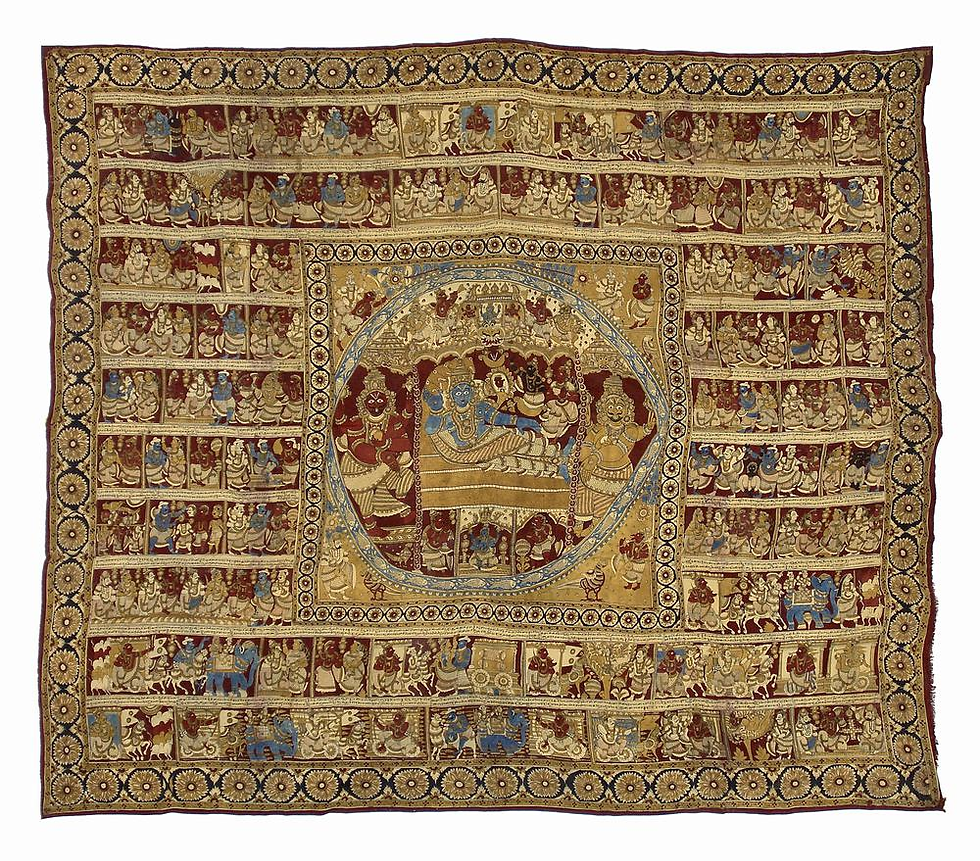
But when someone develops a business around Kalamkari, finds new markets, improves packaging, builds a brand and creates sustainable income for artisans, entrepreneurship enters the picture.
The enterprise is not only selling a product. It is also helping a cultural practice remain economically relevant.
Culture Is Not Just a Product
This is where cultural entrepreneurship becomes different from ordinary commerce.
A handmade product has economic value. But it may also carry stories, identity, skills, traditions and knowledge accumulated over generations.
UNESCO's approach to cultural and creative industries similarly recognises that cultural goods are not simply commodities; they can also carry identity and values.
That creates an important tension.
If an entrepreneur changes a traditional product to make it more attractive to today's consumers, are they innovating?
Yes.
But if they change it so much that its cultural meaning disappears, what exactly are they preserving?
This is one of the questions cultural entrepreneurs have to navigate.
India Has a Huge Cultural Entrepreneurship Opportunity
Think about handlooms and handicrafts, regional cuisines, classical and folk music, dance, theatre, literature, festivals, architecture, indigenous knowledge and traditional art forms.
There are already enterprises and platforms attempting to connect this cultural wealth with contemporary markets.
Organisations and brands such as FabIndia, Dastkar and Gaatha, for example, have worked around crafts and artisan products. Regional traditions such as Pattachitra, Warli art and Kalamkari provide further examples of cultural practices that can become part of contemporary markets.
Digital platforms have changed the possibilities even further.
An artisan who once depended almost entirely on a local market or middleman can potentially reach customers outside their village, district or even country.
That changes the question from:
“Who will buy this here?”
to:
“Who might value this elsewhere?”
But Cultural Entrepreneurship Is Not Easy
India's cultural wealth does not automatically translate into successful cultural enterprises.
Many artisans and cultural practitioners still struggle with access to markets, branding, technology, finance and business knowledge. Rural and semi-urban producers can find it difficult to compete with mass-produced alternatives on price and availability.
There is also a generational challenge.
A young person from an artisan family may decide that a traditional occupation cannot provide a stable livelihood and move to a city for another career.
The result is not simply the loss of one business.
It can mean the loss of skills and knowledge that cannot easily be recreated once a generation stops practising them.
And then there is another challenge: commodification.
When culture becomes a product, there is always a risk that cultural expressions are modified purely for commercial appeal and gradually lose their authenticity or meaning.
So cultural entrepreneurship requires more than asking:
“Can we sell this?”
It also requires asking:
“What are we preserving, who benefits, and what might be lost?”
☕ Coffee Break Question
If you had to turn one cultural practice from your community into a sustainable enterprise, what would you choose—and what would you do to make it relevant to today's generation?
💡 One Idea Home
Culture does not survive only by being preserved. Sometimes, it survives by finding new ways to be practised, shared and valued.


Comments